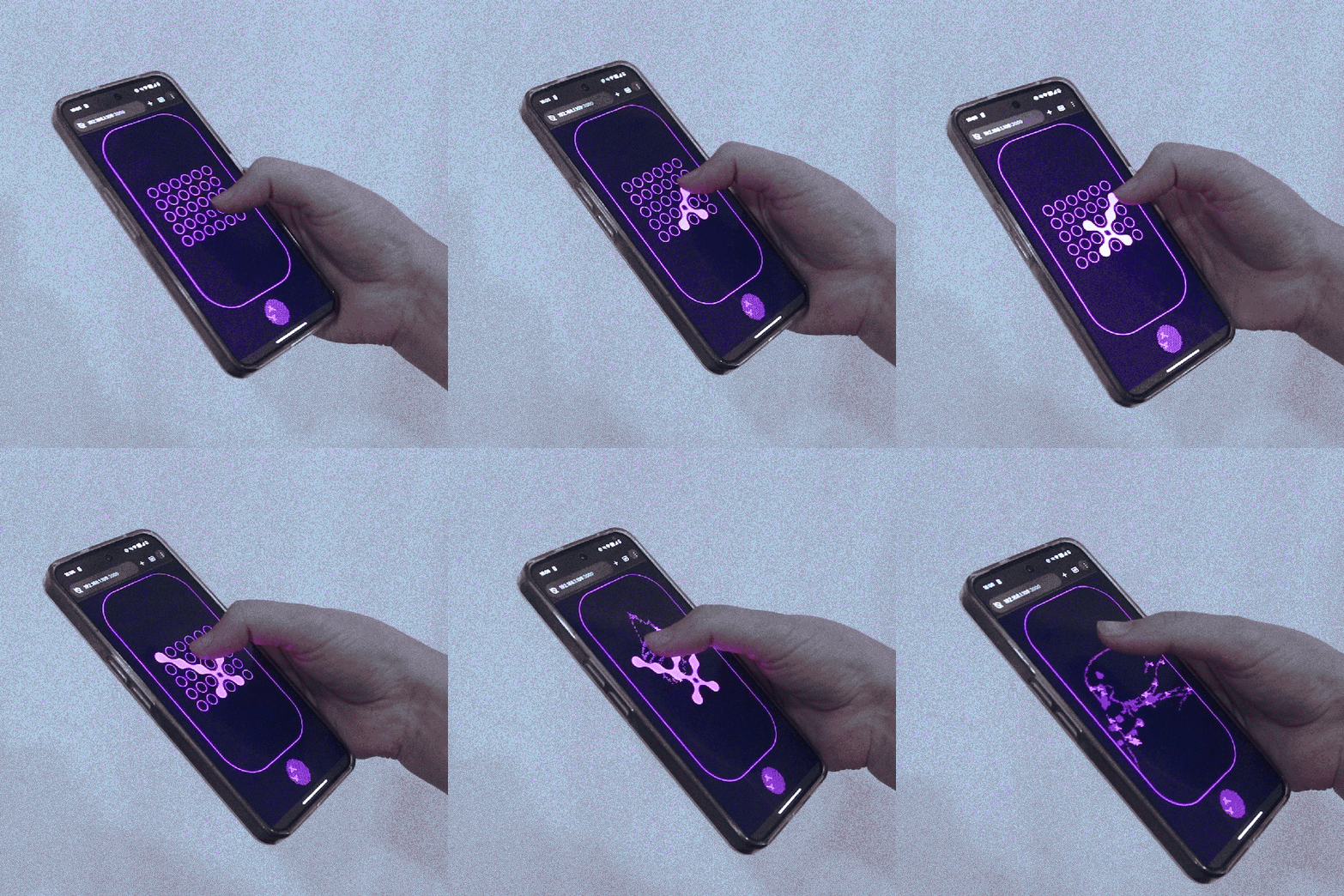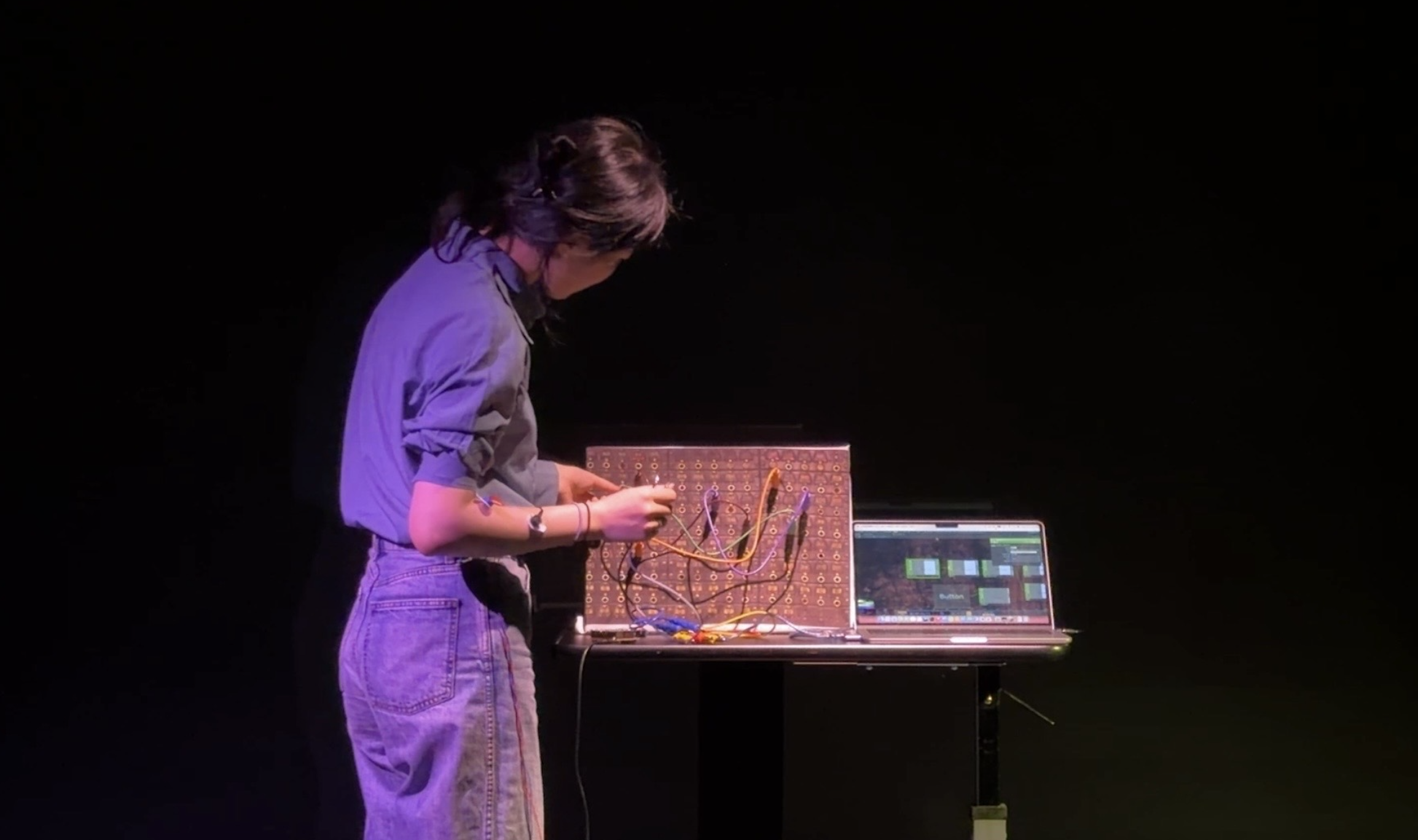
THIS IS VERA, HOLD PLEASE by Yuhanxiao Maggie Ma
THIS IS VERA, HOLD PLEASE is an ongoing artistic research project I have been developing at the University of Washington's DXARTS. Drawing on the history of manual telephone exchanges, I am building an interactive instrument that translates the physical labor of telephone operating into electronic sound and performance.
Before telephone connections became automated, female telephone operators manually established communication between distant callers. Their work required thousands of repetitive gestures: reaching, searching, selecting, plugging, listening, and disconnecting. I became interested in how these movements could be revisited through physical computing, and how the technological infrastructure of communication might become tangible and audible again.
Building the Interface
I began developing the switchboard through two courses at DXARTS: Mechatronic Art, taught by Professor Afroditi Psarra, and Data-Driven Art, taught by Professor Laura Luna Castillo. Together, these courses provided opportunities to experiment with electronic prototyping, computational sound, and tangible interaction.
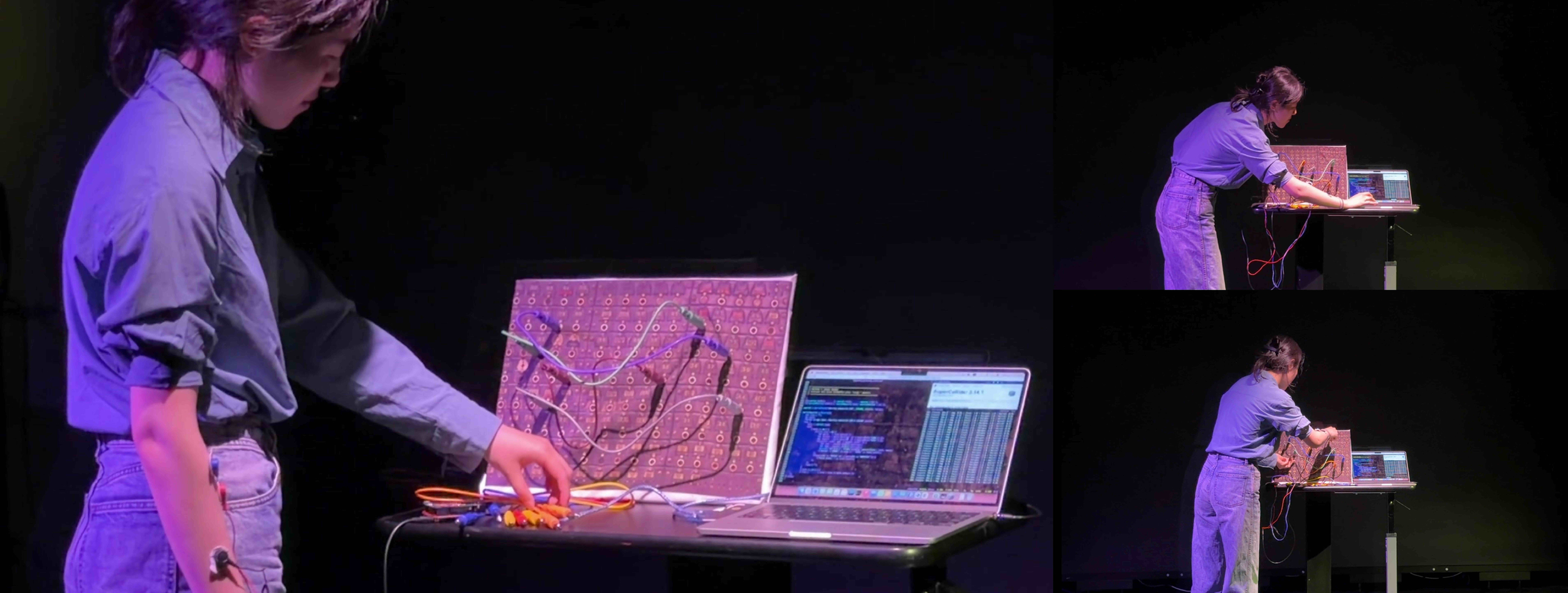
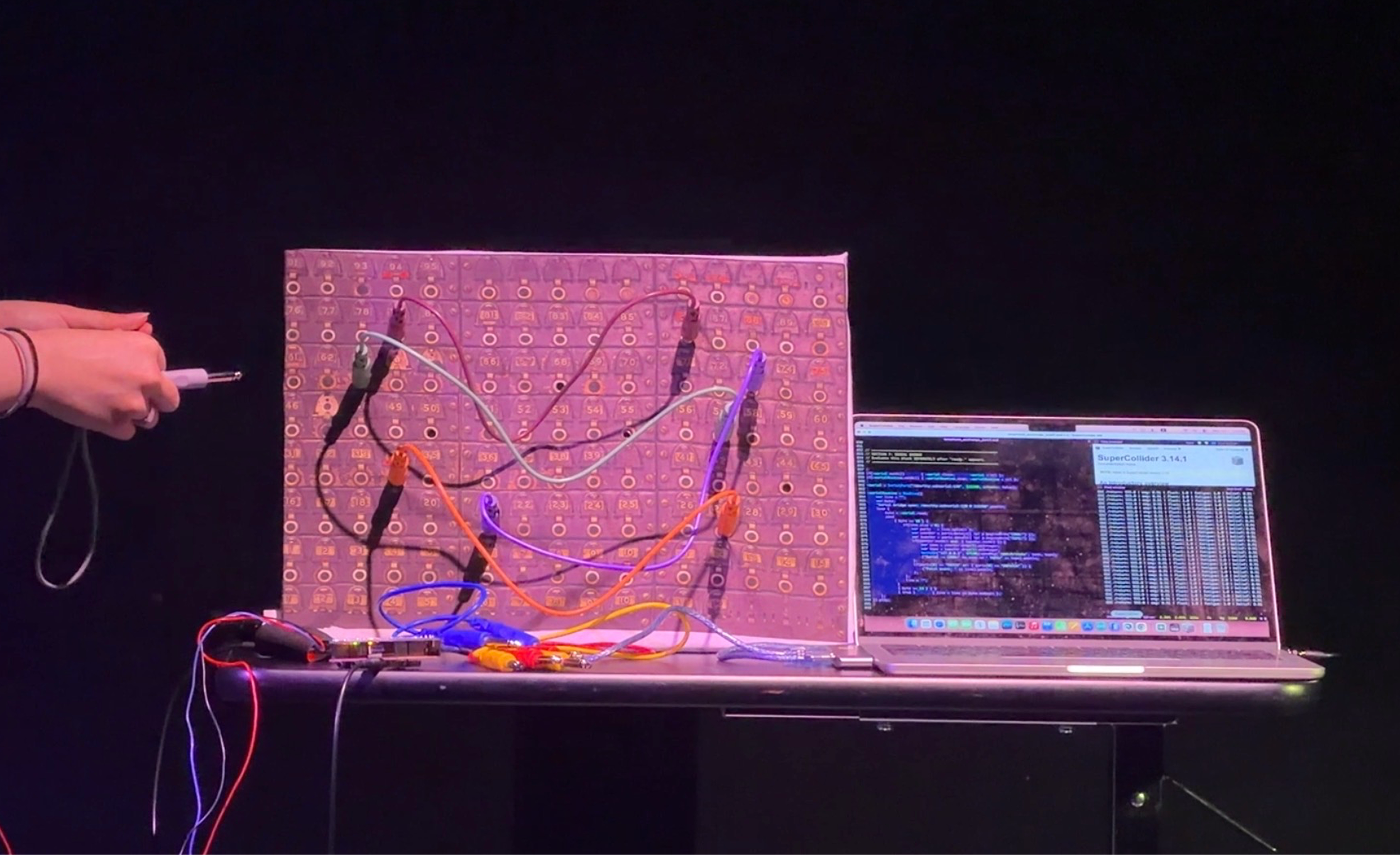
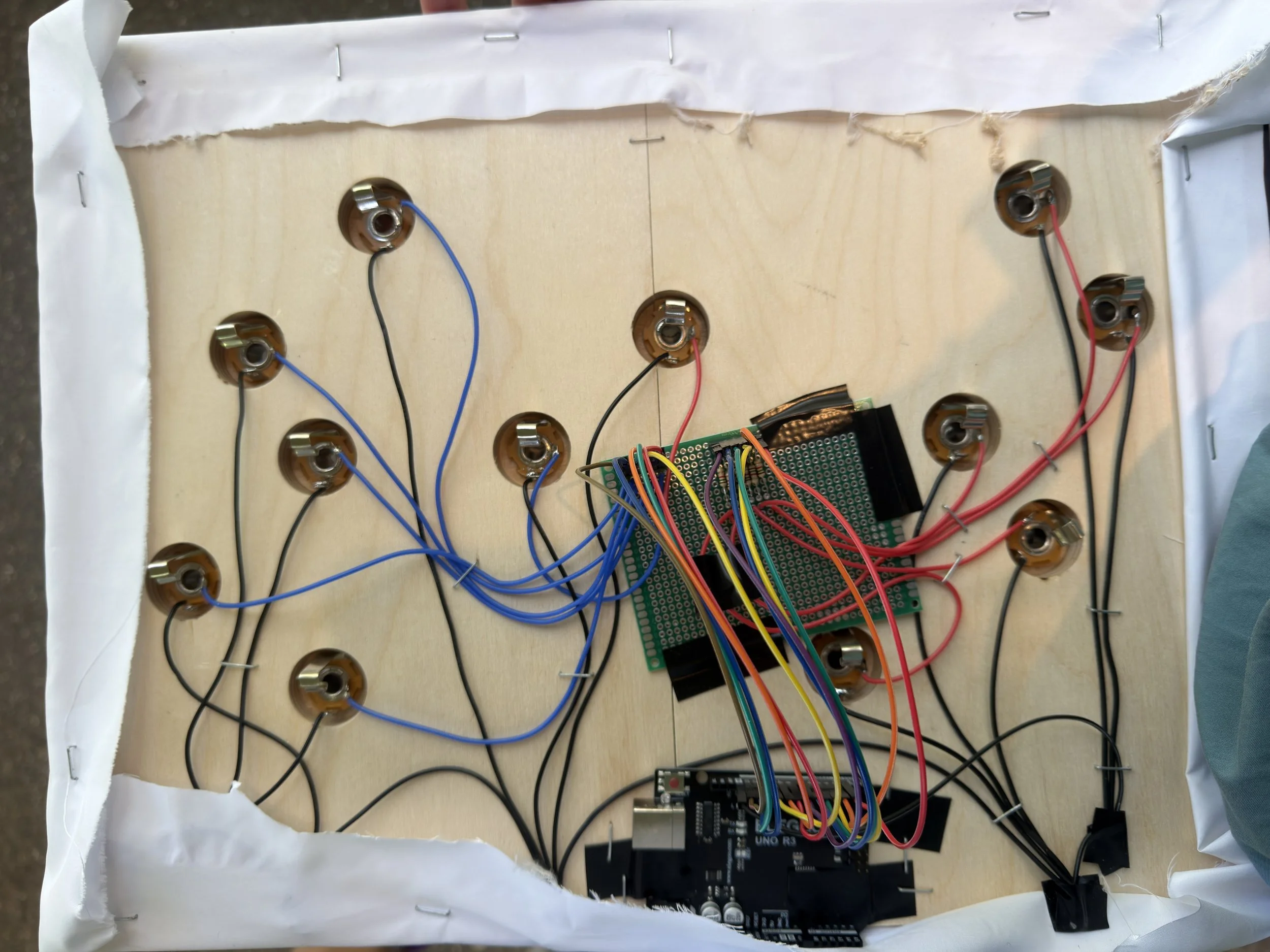
For the first iteration, I constructed a 6 input - 6 output telephone patchboard capable of detecting physical connections between sockets. I built the instrument around a wooden board, with a sublimation-printed graphic panel mounted on the front. The printed surface organizes the sockets into a grid, referencing the visual language of historical telephone exchanges.
Behind the wooden board, the individual sockets are connected to the Arduino. Using Arduino and SuperCollider, I developed a system in which plugging and unplugging cables could trigger and modify electronic sound. Each connection changes the state of the system, while the operator's movements determine the timing and sequence of these changes.
Related Research
Alongside the development of the performance, I have been researching the history of telephone operating through feminist labor history and textile theory.
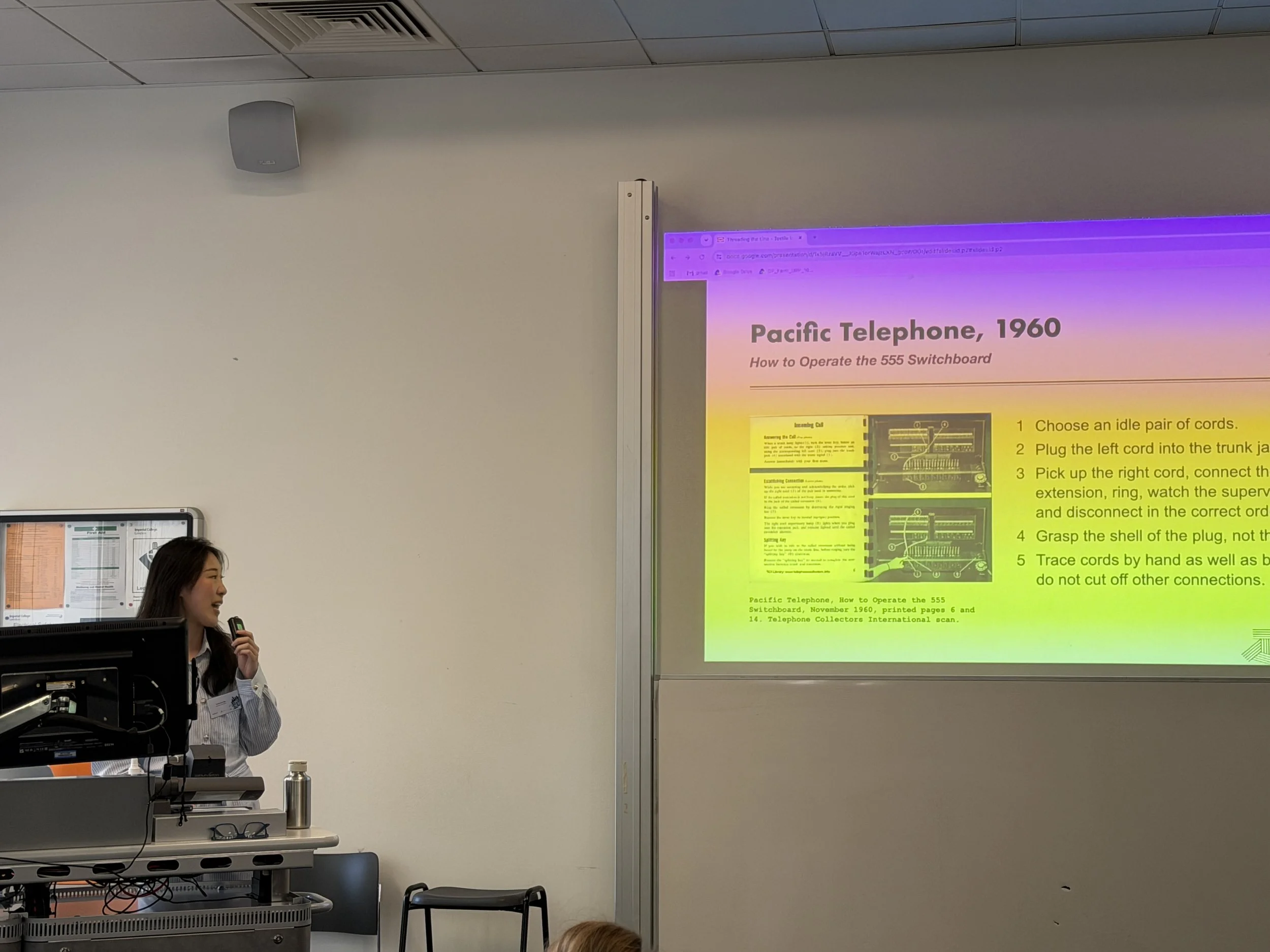
In September 2026, I attended Textile Intersections 2026 with Professor Afroditi Psarra at Imperial College London, where I presented my paper, “Threading the Line: Switchboard Labour, Bodily Knowledge, and the Textile Traditions of Telephone Operating,” The paper was also published in the conference proceedings.
The paper examines telephone operating in relation to textile traditions, embodied knowledge, and the history of feminized labor. It provides a theoretical foundation for understanding the switchboard as more than a communication device: it is also an interface shaped by the bodies and skills of its operators.
This historical research informs THIS IS VERA, HOLD PLEASE, connecting the physical gestures of the performance to broader questions of craft, technological infrastructure, and the transmission of bodily knowledge.
Ongoing Research: Performance Study I at DXFEST
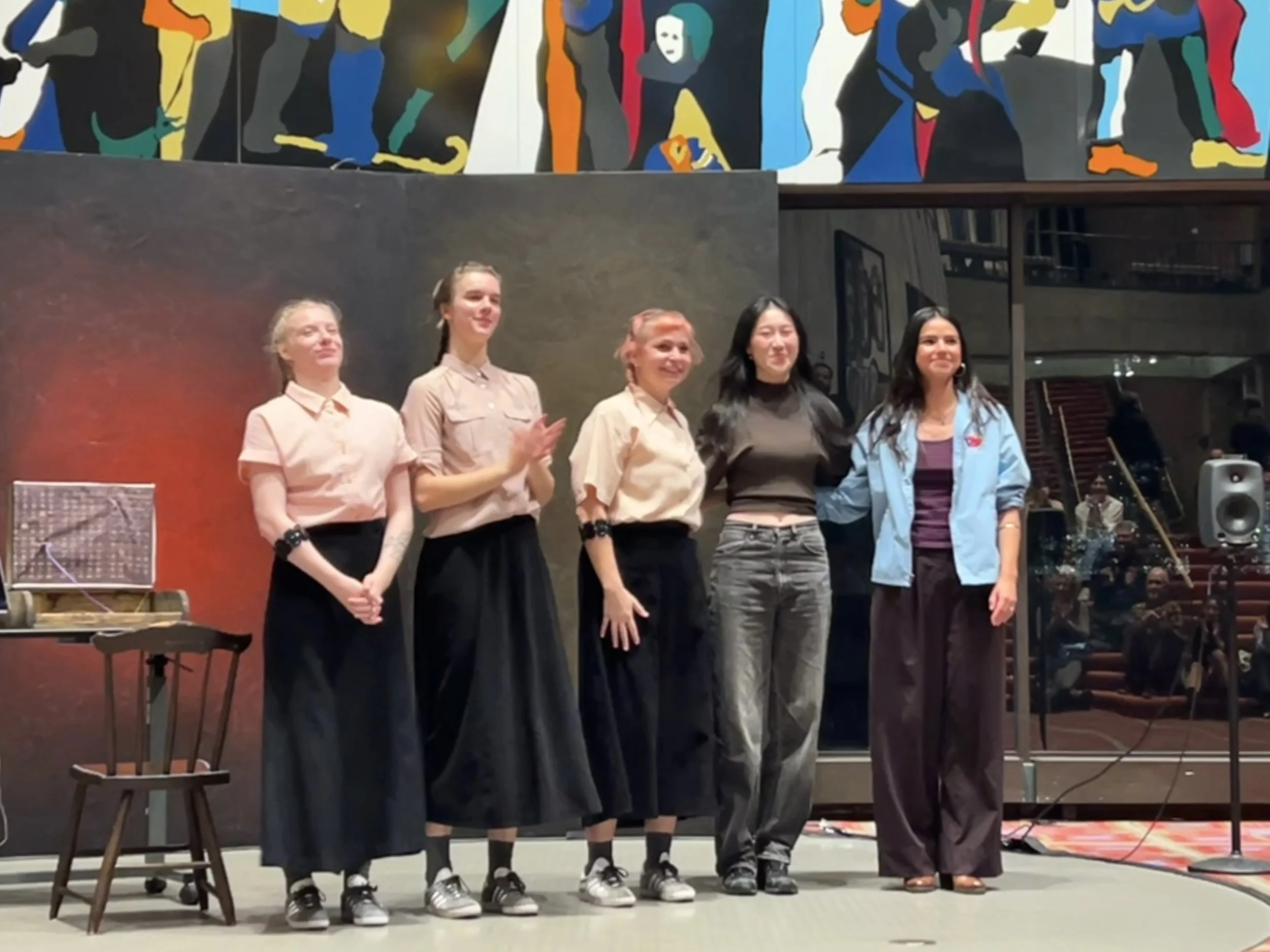
In November 2026, we presented This Is Vera, Hold Please (Performance Study I) at DXFEST, marking the first performance study developed from the interactive switchboard.
For this iteration, I collaborated with Alice Gosti (choreography) and Natalia Quintanilla Cabrera (composition) to expand the instrument into a performance combining movement, electronic sound, and embodied interaction. The study featured three performers, Alice Gosti, Zoey Cain, and Francis Coiley, with technical development by Zoe Cai and fabrication of the wooden enclosure by Joe Nilson.
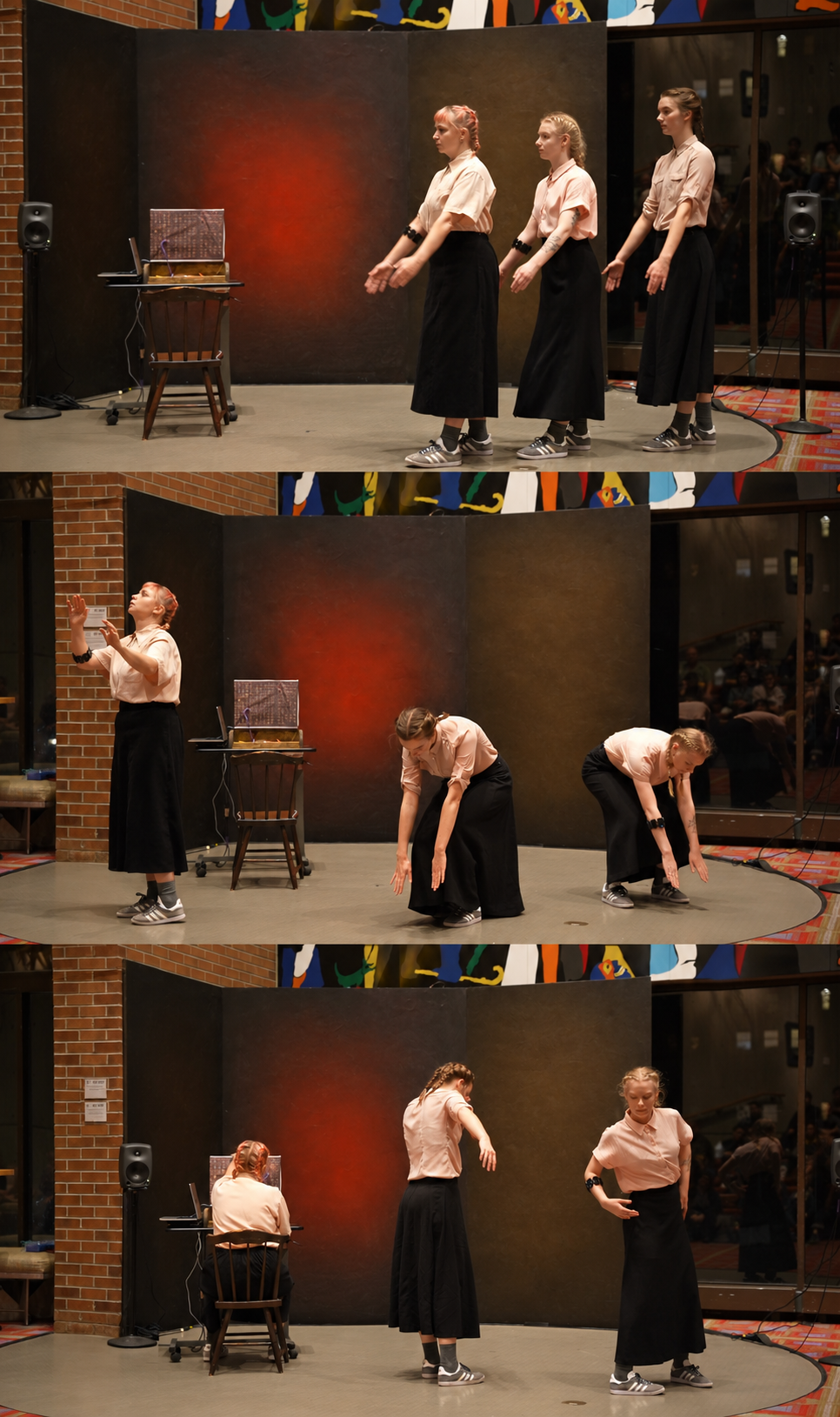
Drawing on archival recordings and historical motion studies, the performance reinterprets the repetitive gestures of telephone operators through collective choreography. Reaching, listening, connecting, and releasing become movements shared across bodies. Moments of synchronization, hesitation, and interruption evoke both the precision of communication networks and the fragility of the human relationships they sustain.
The performance brought together the custom-built patchboard, EMG sensing, electronic sound, and choreography. It was an opportunity to investigate how the instrument's physical interactions could extend into movement and how bodily effort might be translated into sonic feedback.
Moving forward, I hope to strengthen the stage presence of the interface and explore a larger, soft-textile version of the switchboard. I envision a longer, horizontally extended panel that could accommodate multiple performers working alongside one another, recalling the communal environment of historical telephone exchanges. By moving beyond a single operator and a compact instrument, I hope to explore how shared access to the interface might generate new forms of coordination, collective movement, and sonic interaction.
I see this Performance Study I as an early stage of a longer investigation into invisible labor, embodied knowledge, and the relationships between bodies and communication technologies.