Soft Data and Common Wares Residency: NameDraft Weaving by Allyce Wood
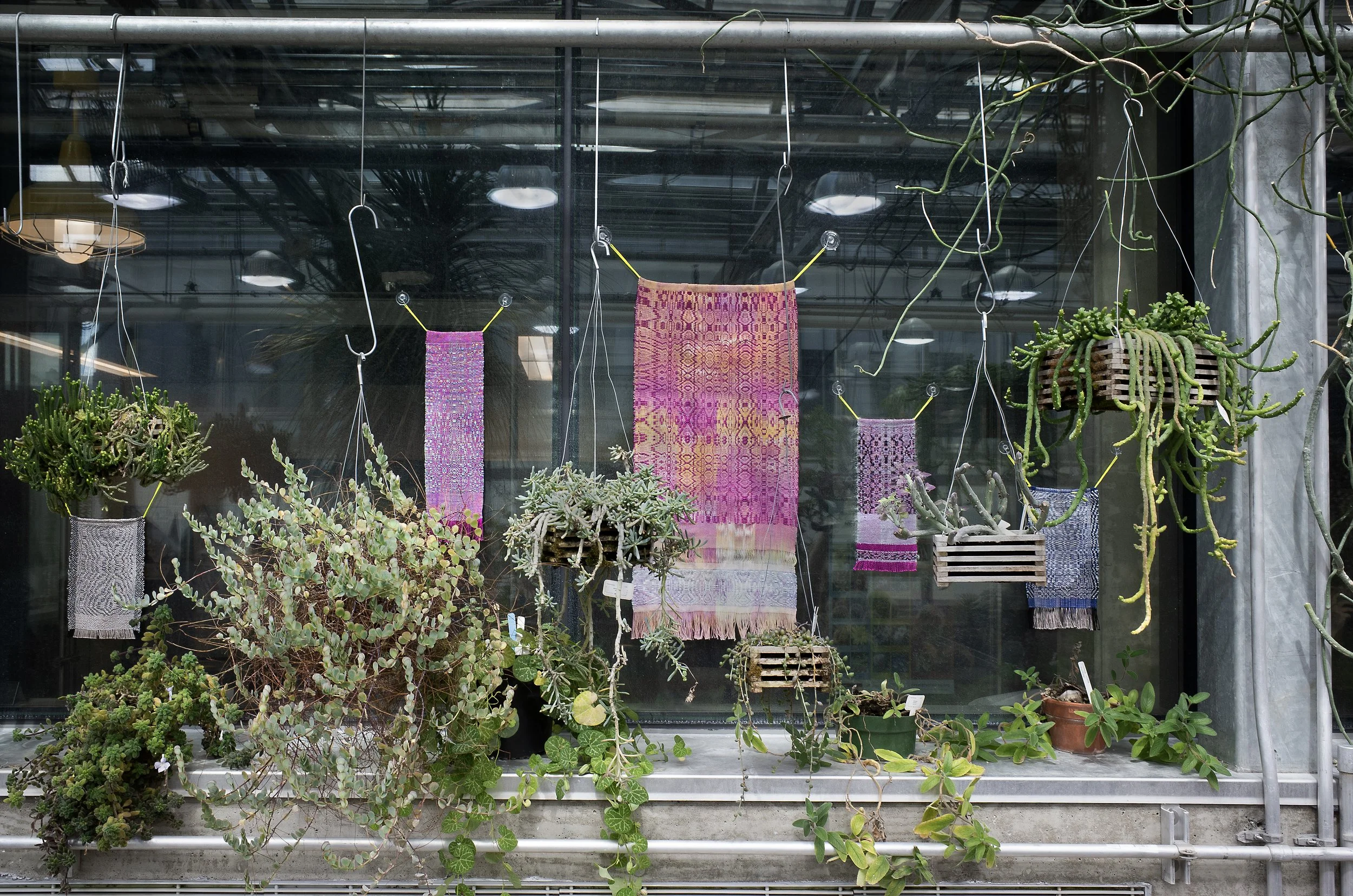
NameDraft (from left to right: mirror, now, year, now (variant), shifting reflection), handwoven textiles in various hand-dyed and vintage fibers, dimensions variable, 2026. This installation was exhibited at Survival and Transformation, the 3rd annual DARTS X GREENHOUSE art exhibition, 2026
Namedraft is a research project by Allyce Wood. During her residency at the DXArts Softlab, she explored the potential of coding and the feminist legacy of craft through NameDraft handweaving.
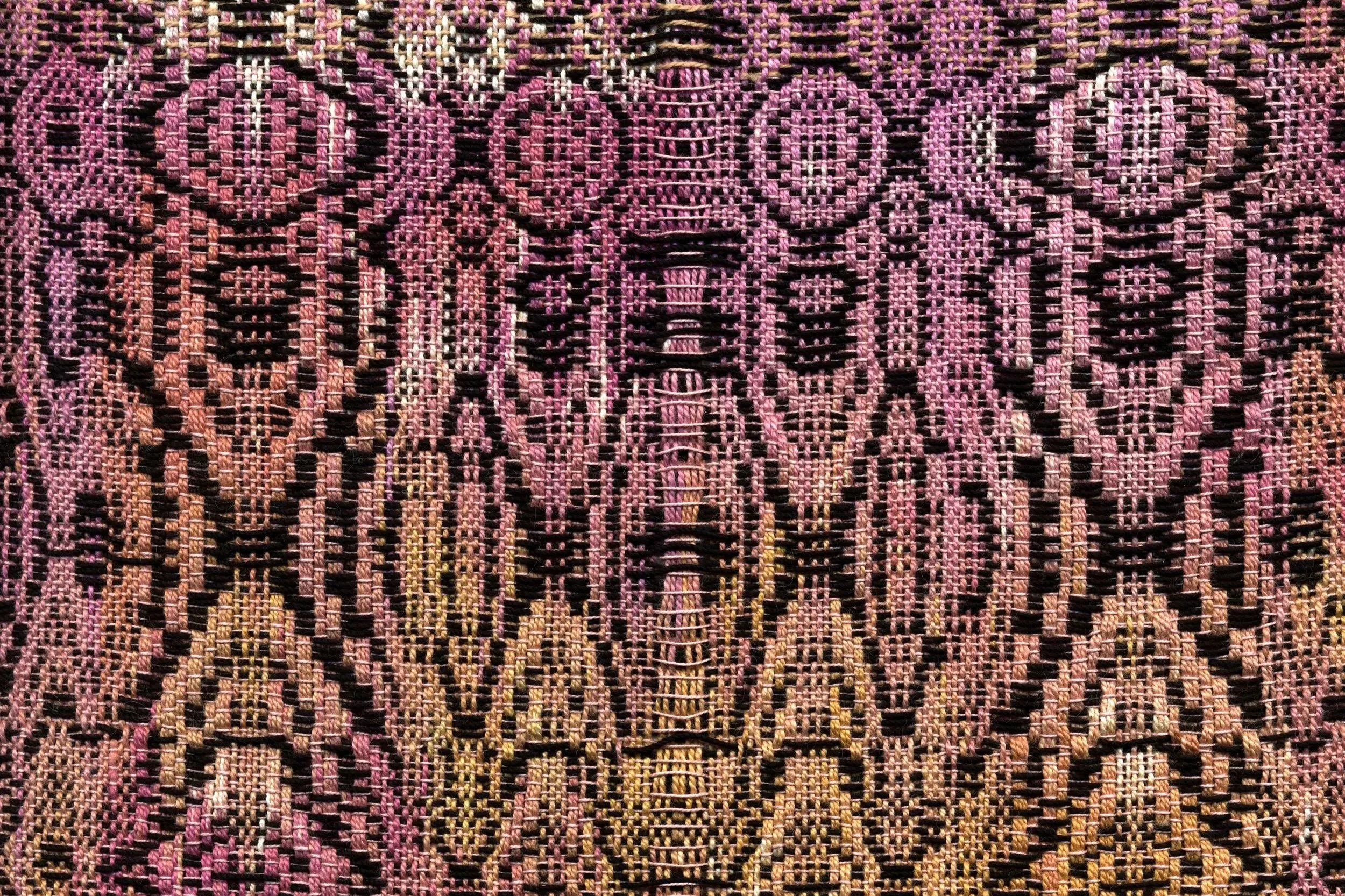
Each artwork she made was constructed from a uniquely coded pattern that imbued her textiles with abstracted poetics and algorithmic power. She expanded upon the historic NameDraft weaving process by using contemporary data software, contemporary keywords, and optical perceptions. Letter by letter, each of her selected words was translated into a weaving pattern, resulting in textiles woven with matrices of eyes and columns, rivers and blooming icons.
The poetic keywords Allyce selected as her base for each NameDraft were collected from conversations held within the studio regarding the process of weaving and the identity of being a weaver in 2026. Each completed textile exists as an archive, molding those phrases into new abstractions.
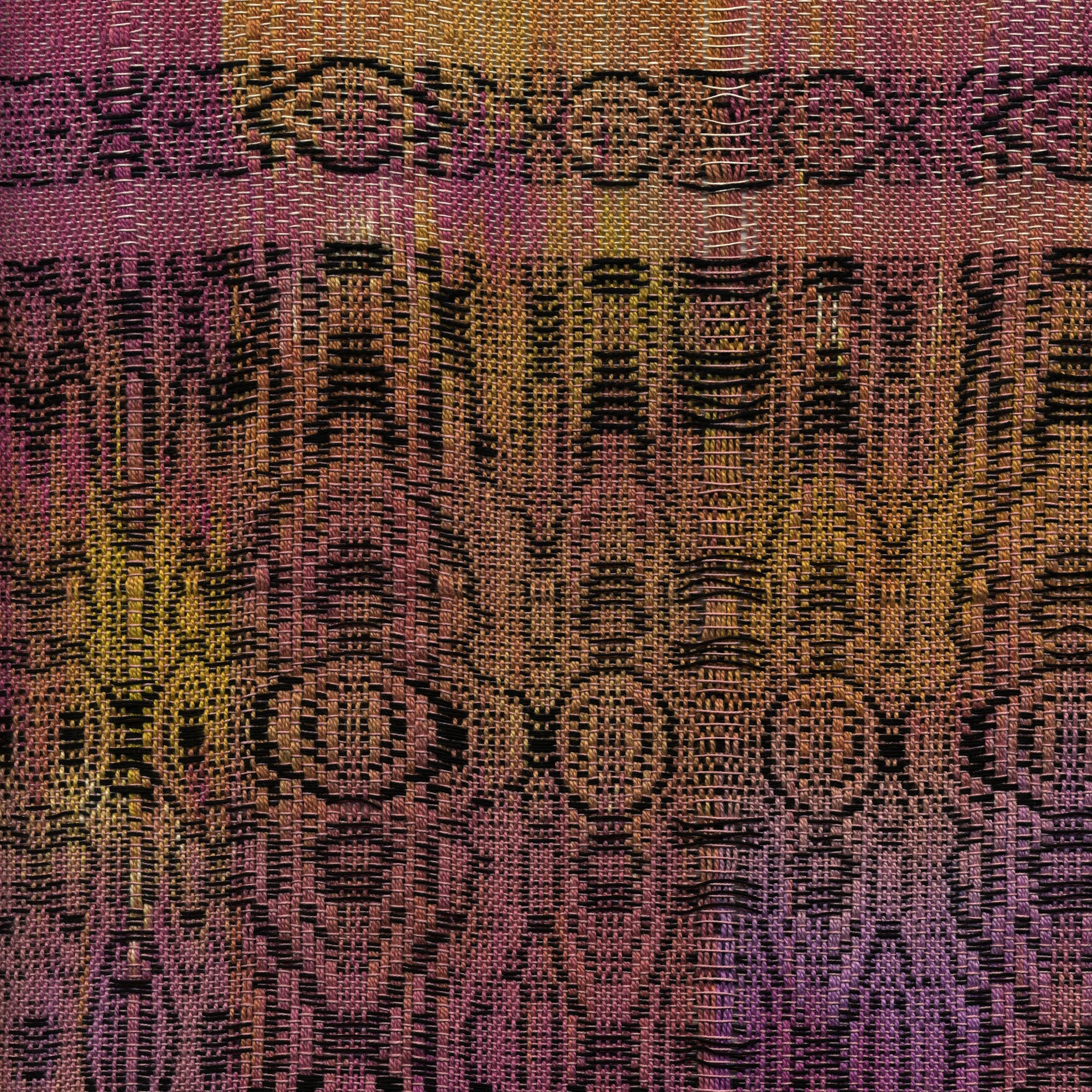
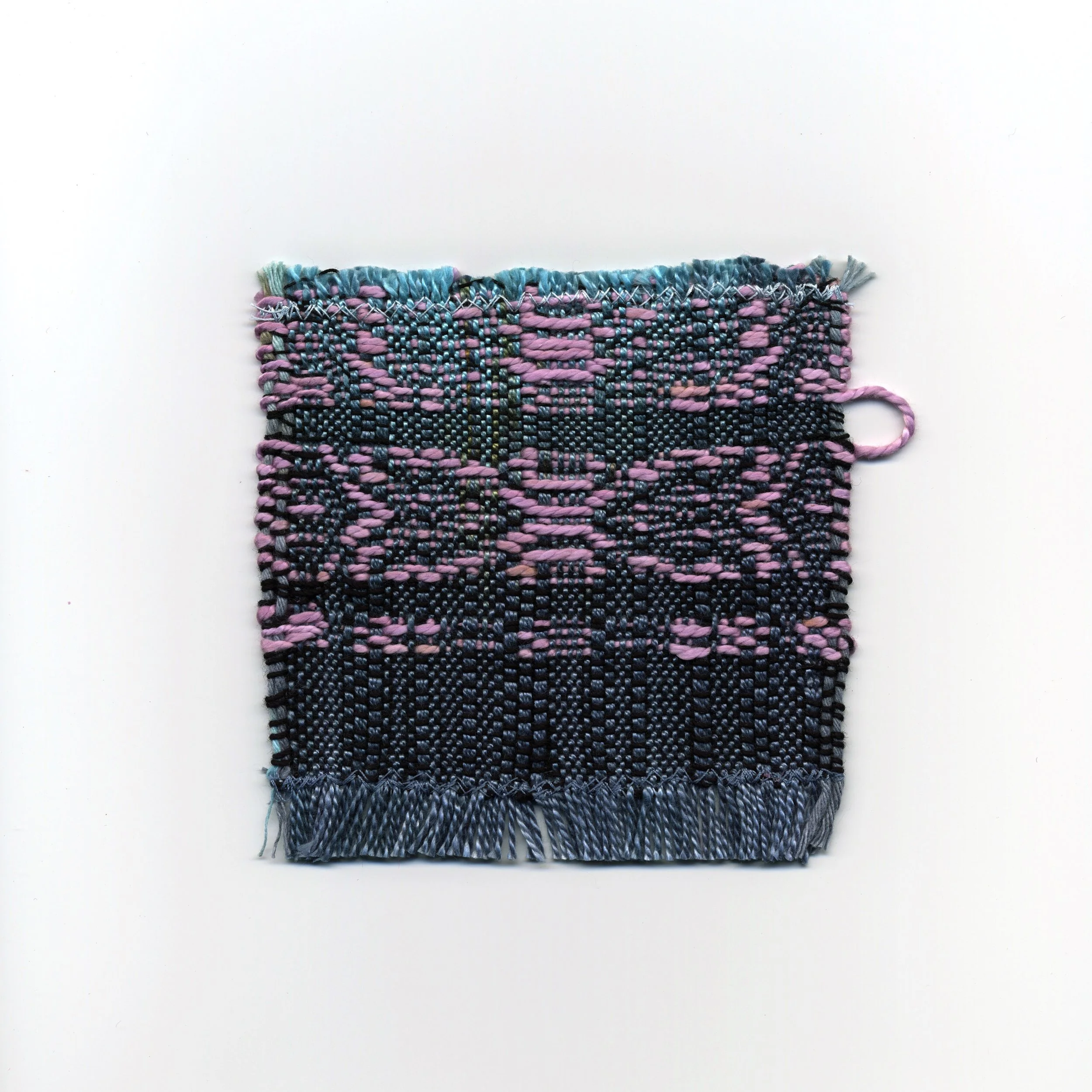
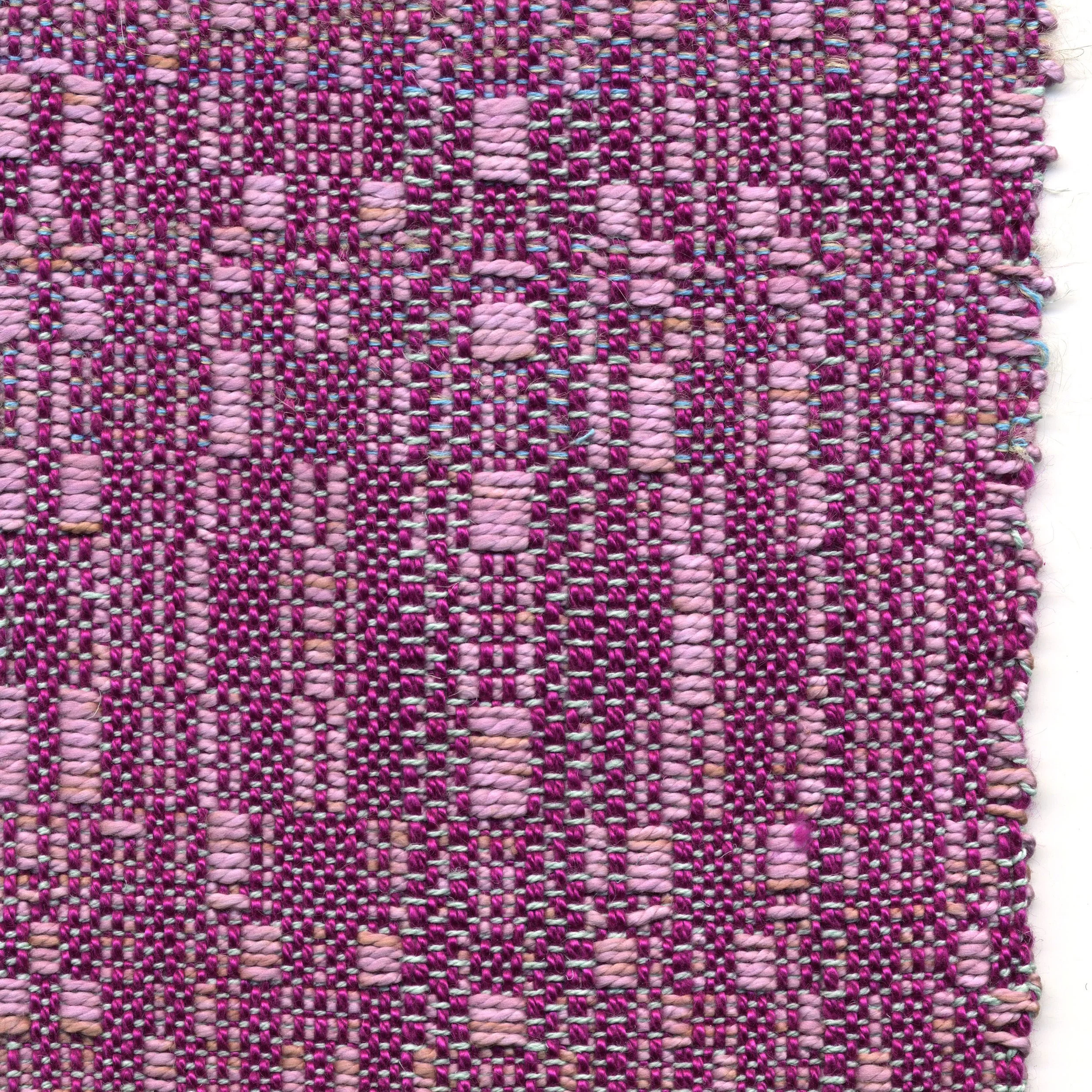
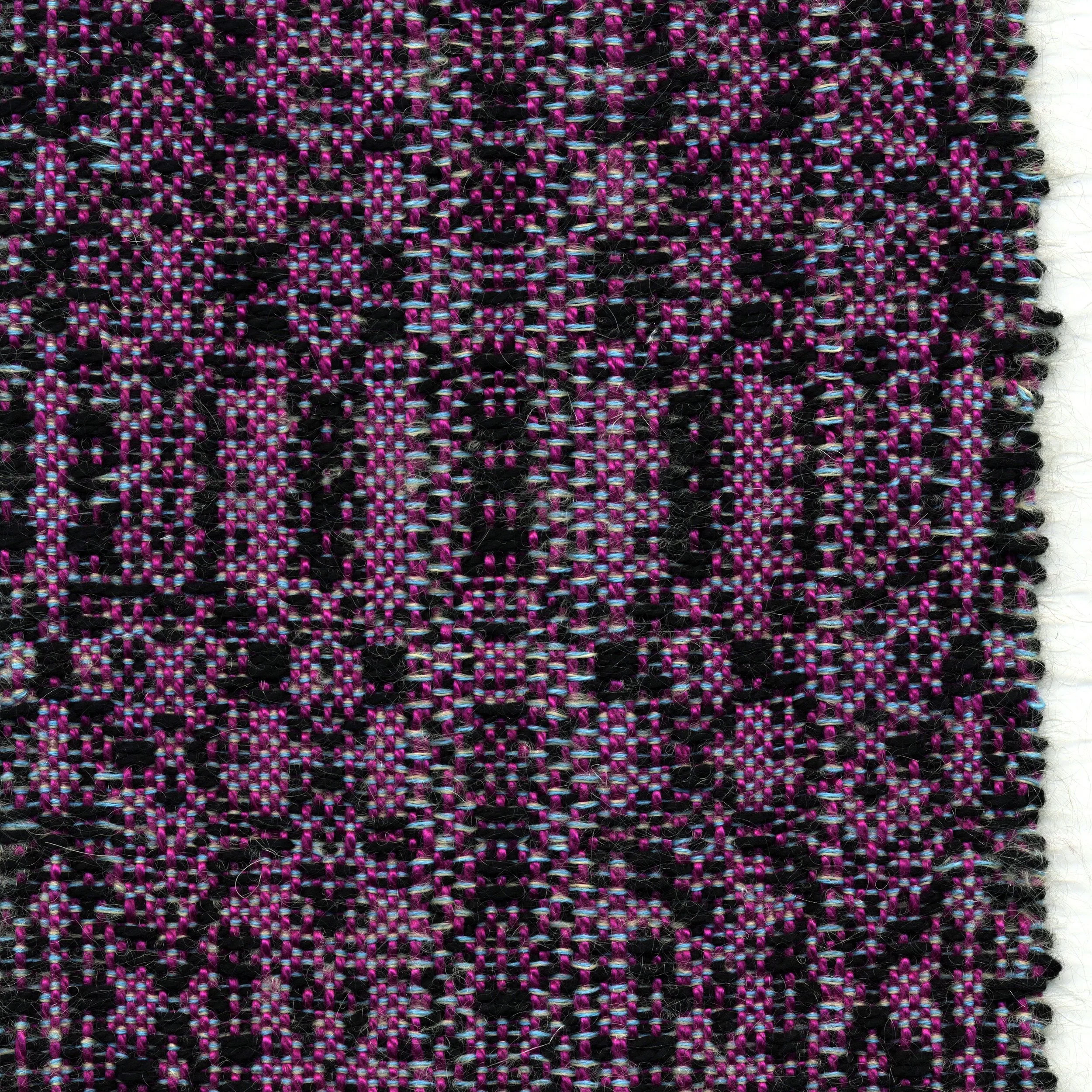
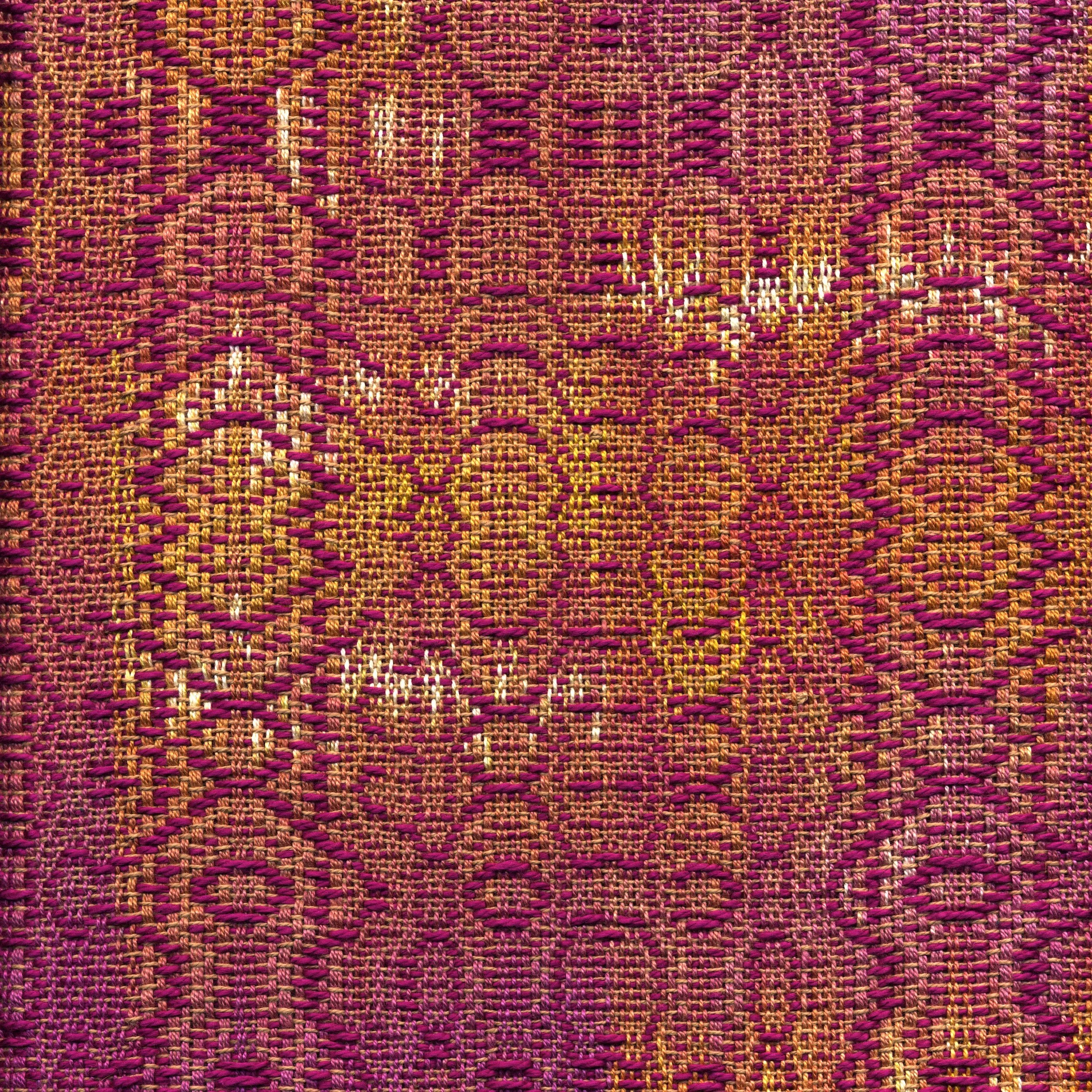
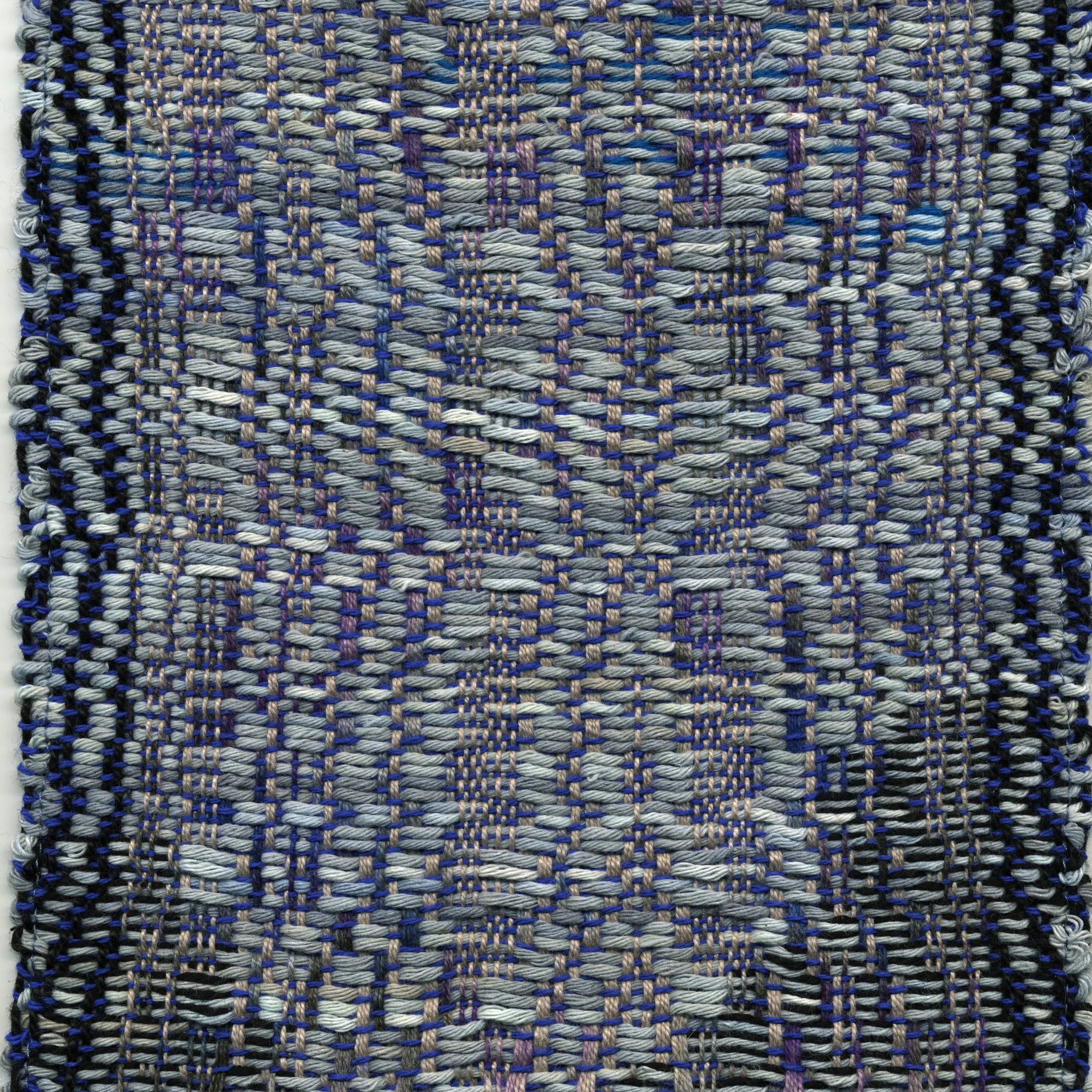
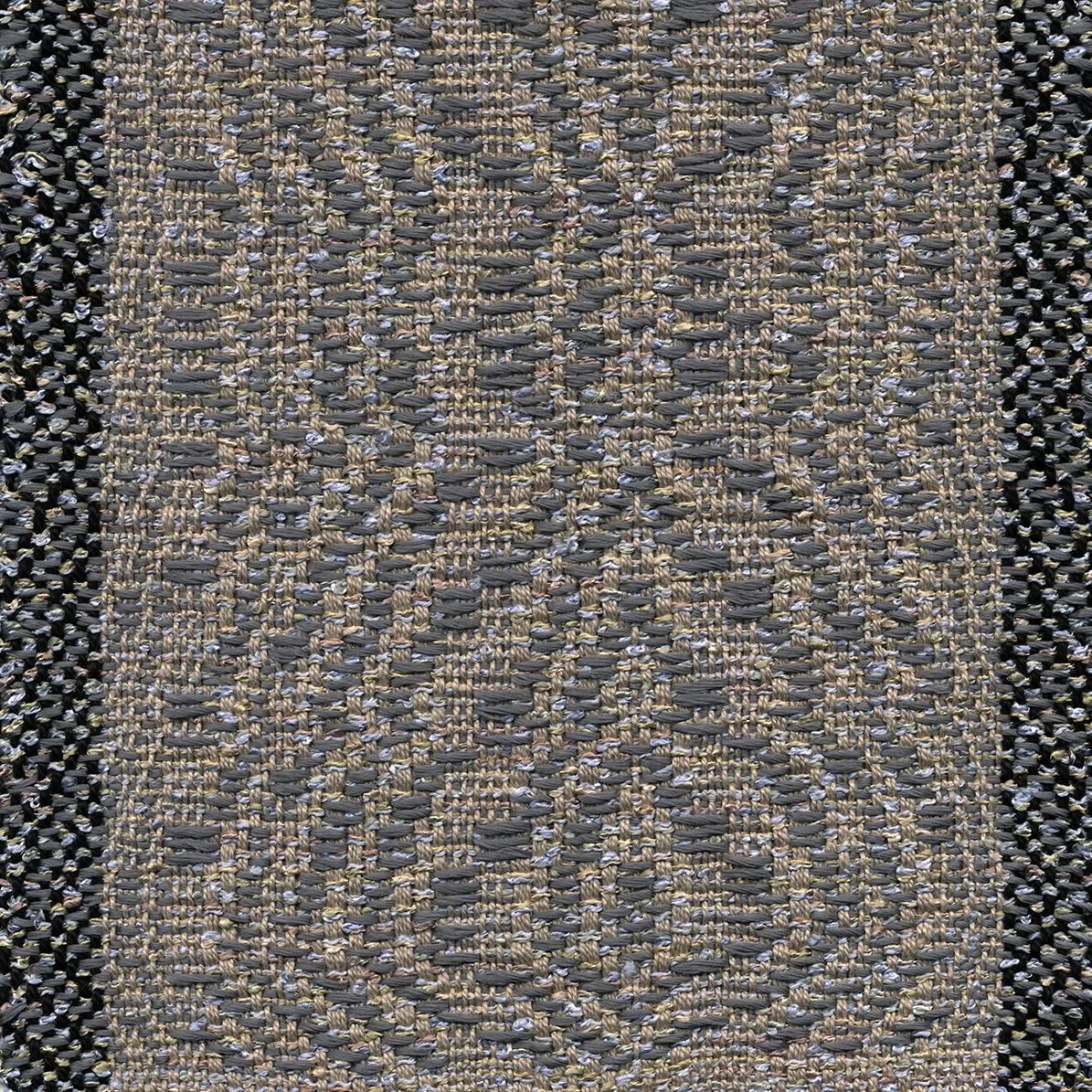
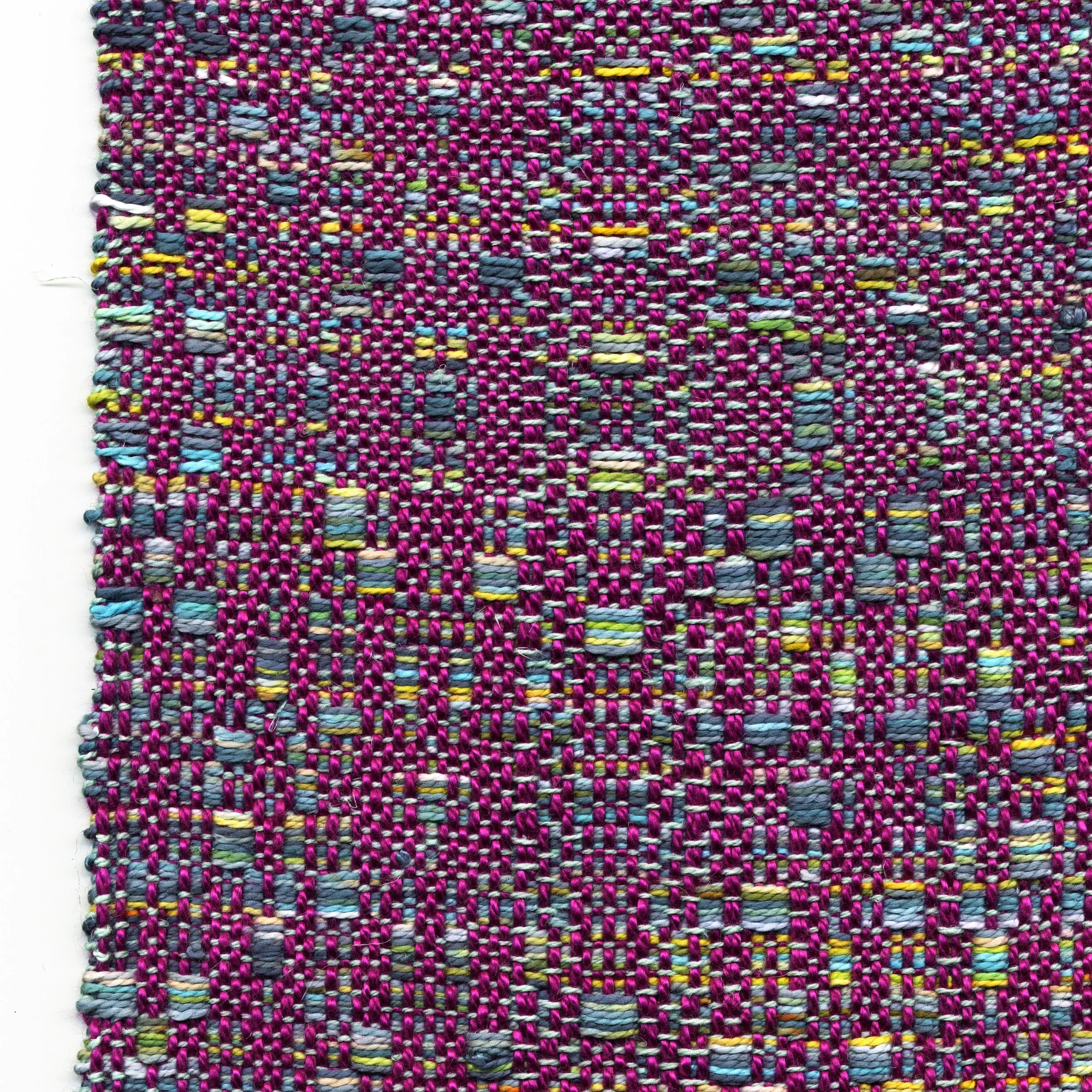
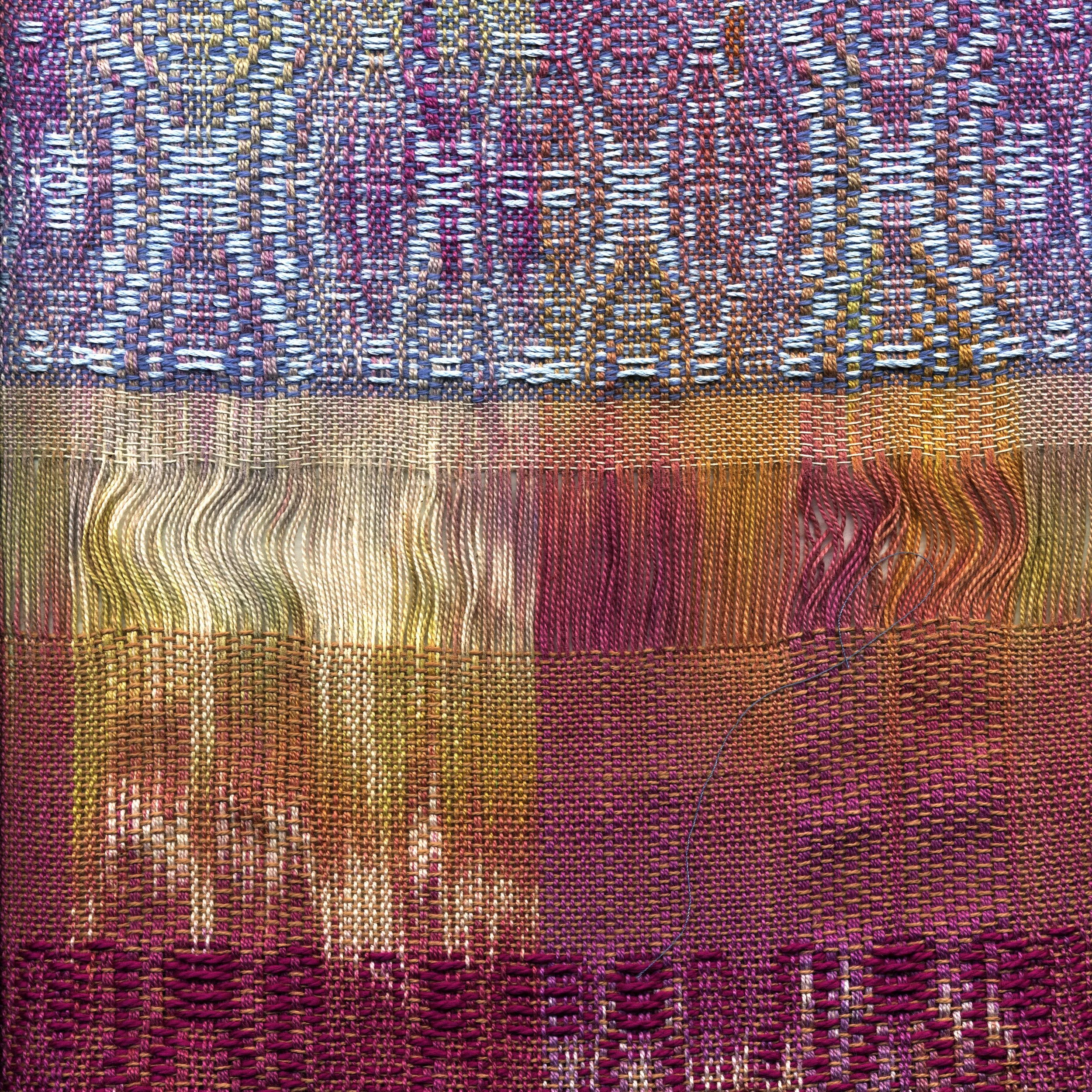
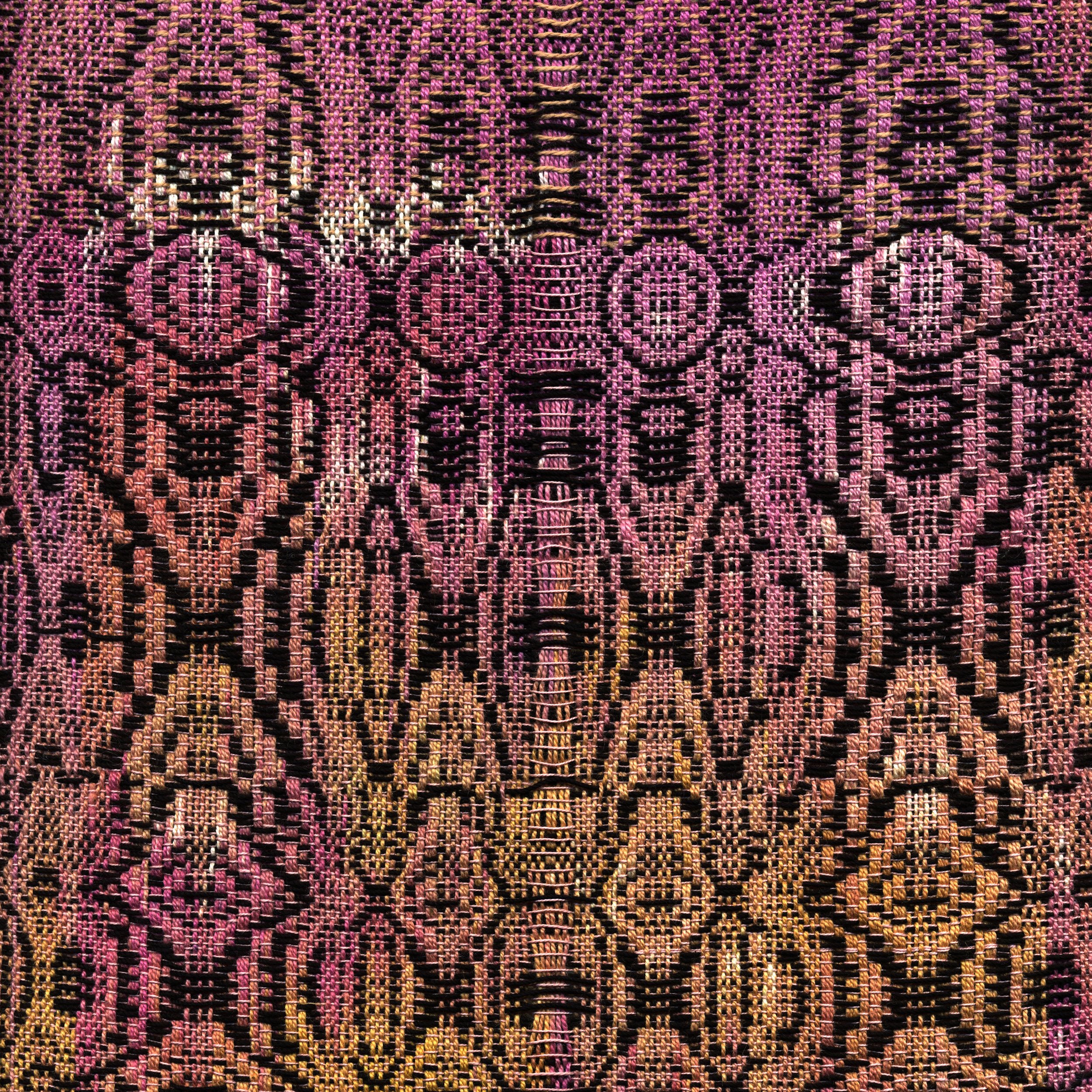
These patterns expanded upon previous studio explorations in color and effect. The magenta color Allyce uses is a hue on an extra-spectral wavelength, existing outside the usual color spectrum of human perception. When working in a process that undergoes so much translation, she considered how much visual interpretation was done within oneself: eyes scanning the surface of the cloth to find clues, grid-like structures appear rounded or slanted. The mind makes shortcuts based on what the eye sees. Here, the essence of the original keyword also reverberates in soft yarns, and the viewer makes links without direct one-to-one translations. The rectangular textile mirrors a printout or scroll. Every element of the work contributes to the collaborative relationship between data and its interpretation.
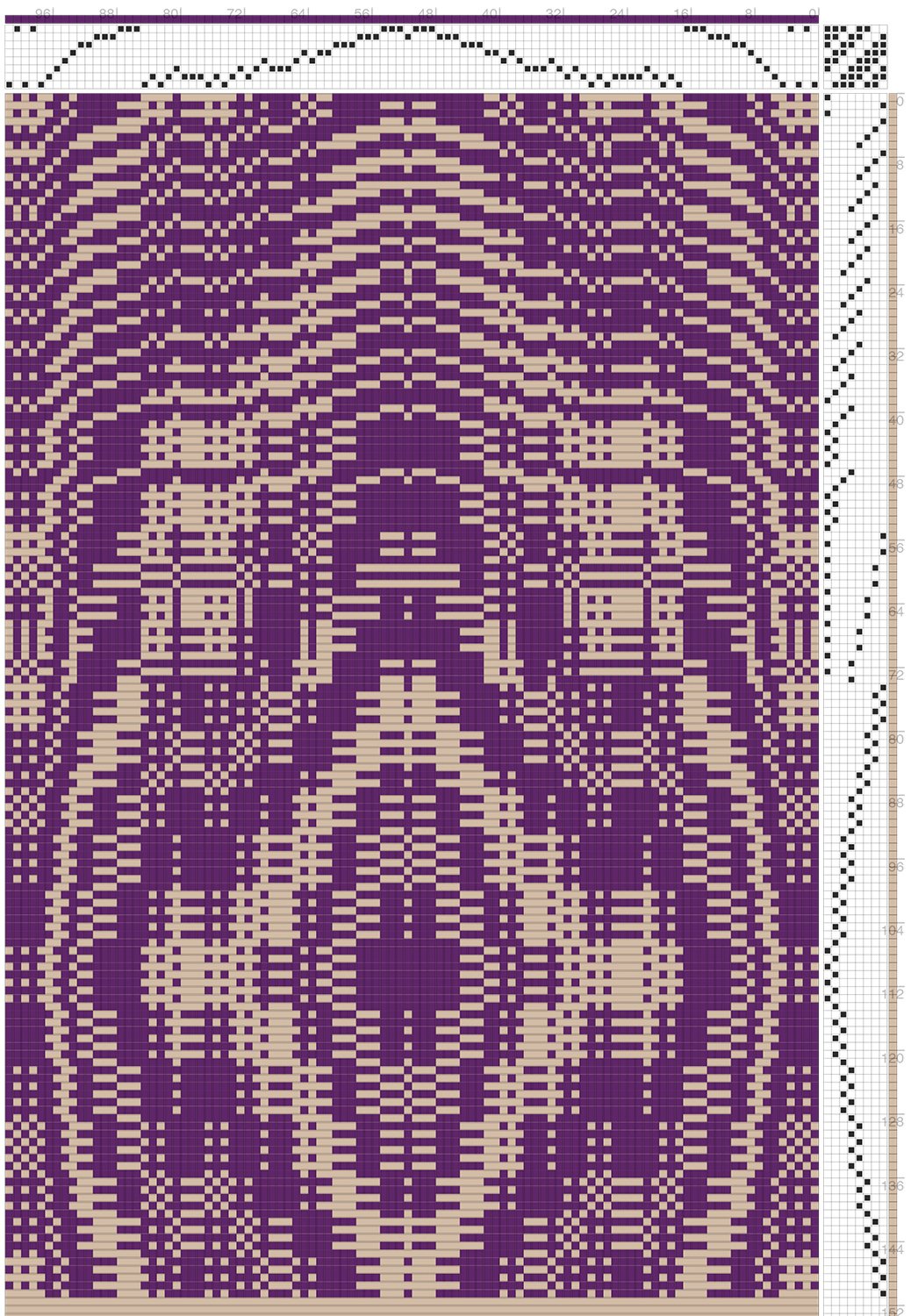
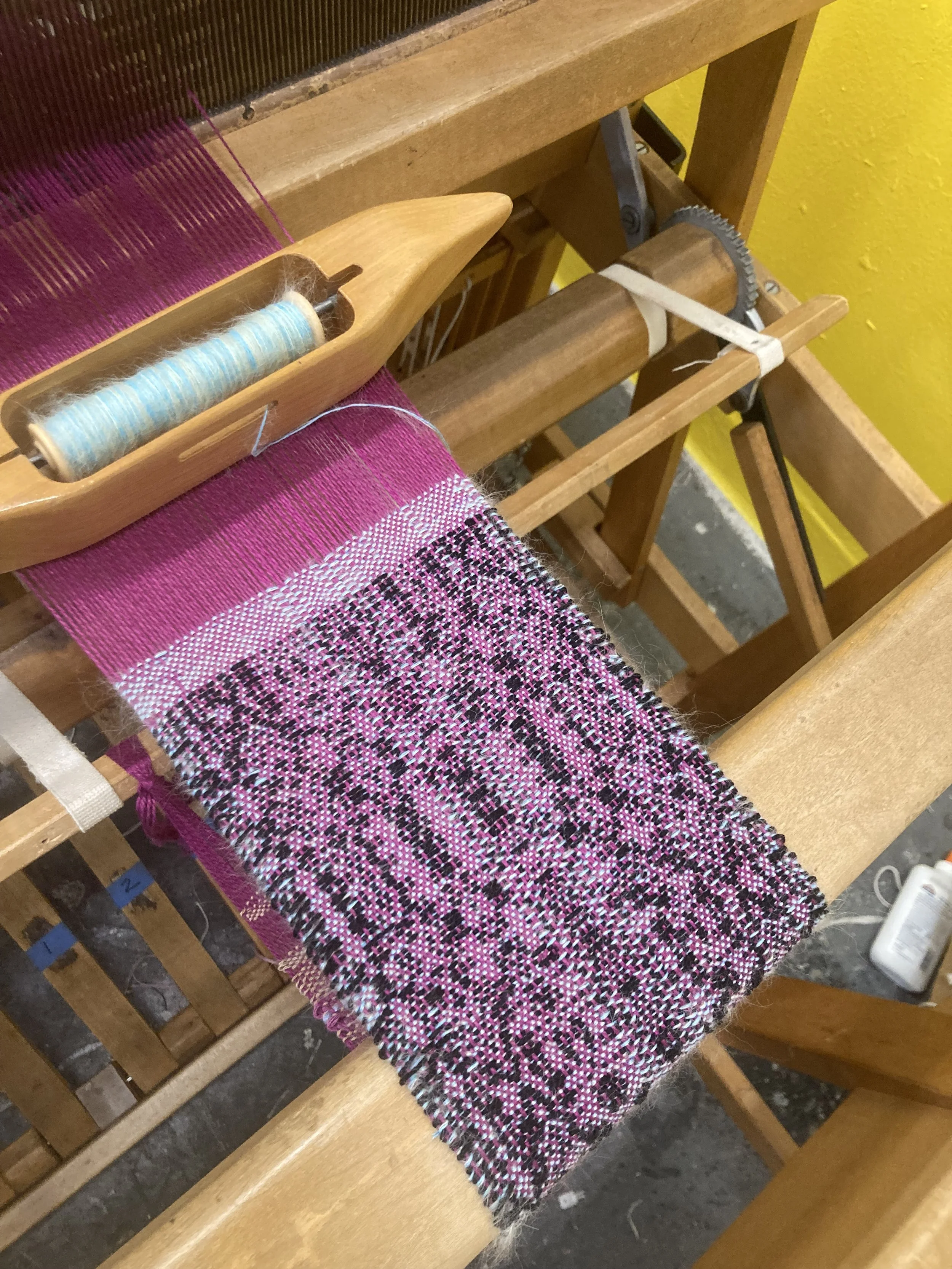
The image on the left is the draft simulation. The black-and-white grid at the top of the image reflects a mirrored namedraft translation of the words ‘haptic reflection’. The grid on the left side of the image shows the threading, or vertical sequencing, of the code.
The image on the right shows the code becoming cloth: the grid at the top of the simulation is represented in the warp (the vertical threads) and the treadling controls the weft (the horizontal threads). The process is imperfect, as errors in threading and treadling are inevitable, as is the human hand throwing the shuttle. Still, the result feels whole, self-contained, and substantial in itself.
The experience of seeing a dataset as a surface is becoming less and less common. Usually, it hides behind the glass of our devices, deep underneath the site that takes from us as it offers information. Here, the data is presented in the form of expression and softness.
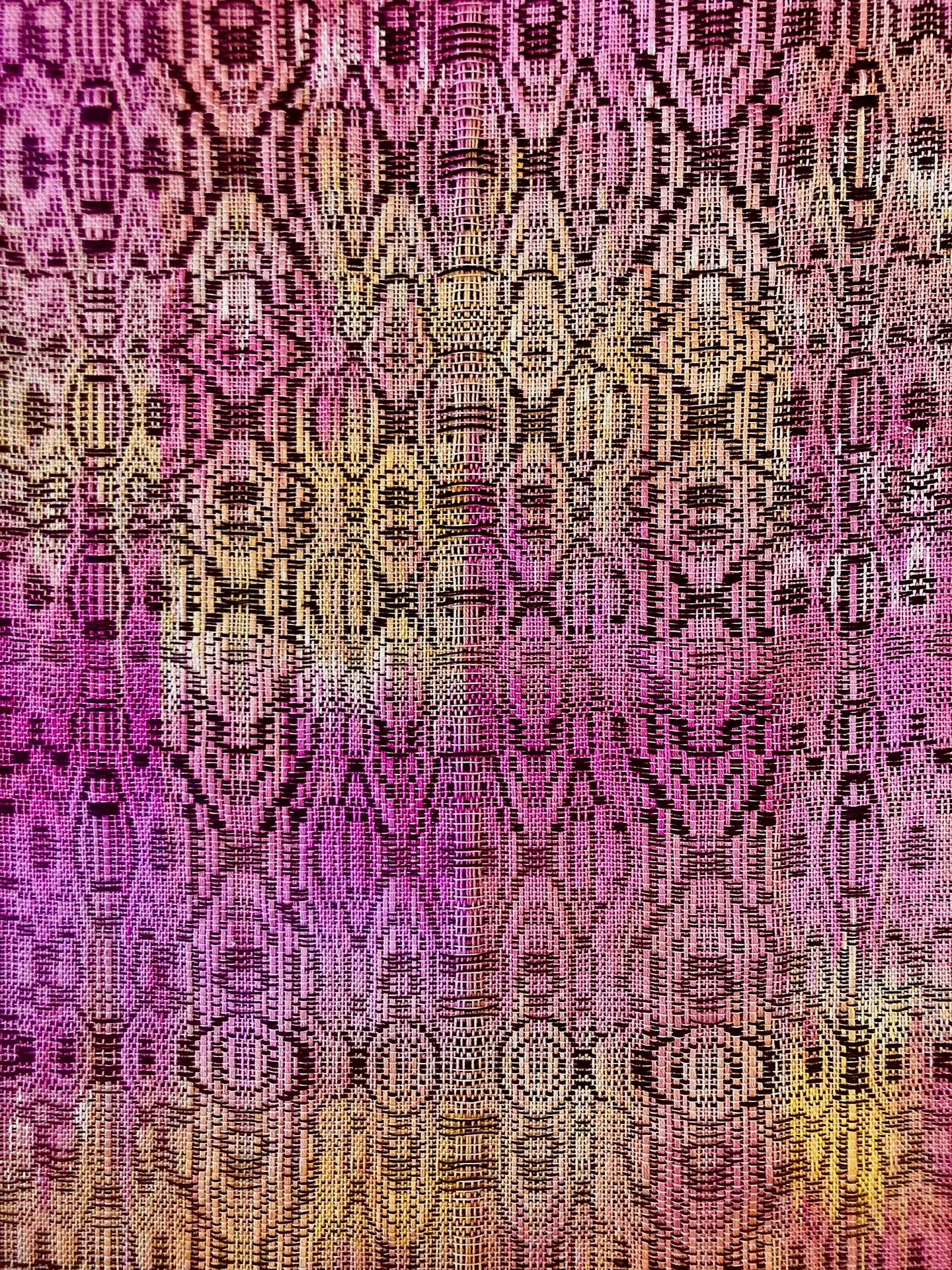
the woven visualization of ‘twentytwentysix’
Allyce Wood has always been interested in the history of weaving as labor, and the ways expression and meaning drive the work. By developing systems that support poetics, namedrafting as a way to embed meaning into a laborious process, as a means to add value and identity to cloth. Wood intends to continue to explore the recontextualization of algorithmic tools into tools of craft and translation to build upon the language of woven storytelling.
The weaver’s body contains knowledge of the process, the rules, and structures second nature as the relationship with the loom deepens. As the practical side of the craft develops, so does the connection to code. During this experience, both theory and system function in collaboration. Wood weaves not as a way to look into the past, but to create a soft system of her own.